Tuesday, 3 May 2022

Hungary - Day 2

  Our first full day birding in Hungary was absolutely exceptional. We started around Farm Lator where we had many of the same species from the previous day; Collared Flycatchers and Hawfinches being the highlights, but a pair of Middle-spotted Woodpeckers also dropped into the feeder, and a rather shabby Egyptian Vulture fly over in the early morning.
  We spent the day with Rob from Farm Lator visiting many of the sites he knew about around Little Hortobagy, about an hours drive from Farm Lator. We had a few target species during the day, and consequently made a number of stops throughout to check locations for these birds. We started looking for Saker Falcons, which we found at our second stop where there was an active nest upon a large pylon, with an adult feeding chicks. As we progressed around the site we found more migrant species such as Golden Oriole, European Turtle Dove and European Roller. Sarah picked out a couple of Lesser Grey Shrikes which were the first of the season and a new bird for me. The birding was simply phenomenal, with many species only encountered on occasions being abundant throughout the day.
  And it was not just the birds, as we also managed a number of none bird targets. Without doubt the pick of these was Common Tree Frog which Rob showed us roosting in the reeds. Fire-bellied Toads were also nice, but much trickier to find. The butterflies were also nice, with new Fritillaries and Coppers for me, as well as stunning Scarce Swallowtail, a species I have never managed to connect with before.
  The day was long but very rewarding, and by the end of it we were absolutely exhausted. However, I had two new species with Saker and Lesser Grey Shrike and numerous new butterflies. The Tree Frogs had been my most wanted target before travelling here, so they were undoubtedly the standouts from the day.

-Egyptian Vulture
-Saker Falcon (with Common Kestrel)
-Eastern Imperial Eagle
-Lesser Grey Shrike
-Grey-headed x Blue-headed Wagtail intergrade
-Short-toed Eagle
-European Tree Frog
-European Fire-Bellied Toad
-Scarce Swallowtail
-Southern Festoon
-Weaver's Fritillary
-Lesser Fiery Copper


Species List:
Farm Lator: Common Pheasant, Common Wood Pigeon, European Turtle Dove, Common Cuckoo, Egyptian Vulture, Common Buzzard, Middle Spotted Woodpecker, Great Spotted Woodpecker, Eurasian Golden Oriole, Northern Raven, Marsh Tit, Great Tit, Barn Swallow, Common Chiffchaff, Long-tailed Tit, Eurasian Blackcap, Eurasian Nuthatch, Common Starling, Song Thrush, Common Blackbird, Spotted Flycatcher, European Robin, Common Nightingale, Collared Flycatcher, Black Redstart, Eurasian Tree Sparrow, Common Chaffinch, Hawfinch, European Greenfinch, European Goldfinch,
Little Hortobagy: Greylag Goose, Mute Swan, Gadwall, Mallard, Common Pheasant, Common Quail, Little Grebe, Great Crested Grebe, Feral Pigeon, Stock Dove, Common Wood Pigeon, European Turtle Dove, Eurasian Collared Dove, Common Cuckoo, Water Rail, Eurasian Coot, Common Crane, Northern Lapwing, Ruff, Common Snipe, Common Greenshank, Wood Sandpiper, Common Redshank, Whiskered Tern, Black Stork, White Stork, Great Cormorant, Eurasian Bittern, Grey Heron, Purple Heron, Great Egret, Eurasian Spoonbill, Short-toed Snake Eagle, Eastern Imperial Eagle, Western Marsh Harrier, Hen Harrier, Montagu's Harrier, Eurasian Sparrowhawk, White-tailed Eagle, Common Buzzard, Little Owl, Eurasian Hoopoe, European Roller, Eurasian Wryneck, Great Spotted Woodpecker, Syrian Woodpecker, Black Woodpecker, Common Kestrel, Red-footed Falcon, Eurasian Hobby, Saker Falcon, Eurasian Golden Oriole, Lesser Grey Shrike, Eurasian Magpie, Western Jackdaw, Hooded Crow, Northern Raven, Great Tit, Eurasian Penduline Tit, Eurasian Skylark, Crested Lark, Sedge Warbler, Eurasian Reed Warbler, Great Reed Warbler, Savi's Warbler, Sand Martin, Barn Swallow, Common Chiffchaff, Eurasian Blackcap, Common Whitethroat, Eurasian Nuthatch, Common Starling, Song Thrush, Common Blackbird, Spotted Flycatcher, European Robin, Common Nightingale, Black Redstart, Whinchat, European Stonechat, Northern Wheatear, Eurasian Tree Sparrow, Western Yellow Wagtail, White Wagtail, Common Chaffinch, Hawfinch, European Greenfinch, Common Linnet, European Goldfinch, Corn Bunting, Common Reed Bunting, 

Monday, 2 May 2022

Hungary - Day 1

  After a weekend in Budapest for Kieran’s stag weekend, we took the following week out to visit some of the National Parks in the northeast of Hungary for birding. Jonnie had made reservations at Farm Lator, adjacent to the Bükki Nemzeti Park, a stunning area of well-maintained deciduous woodland. The lodge here was lovely, with excellent homemade meals provided and wonderful grounds and gardens surrounded by the forest.
  By the time we had travelled from Budapest, collected the minivan and some supplies it was already mid-afternoon, but we spent some time birding the garden where we had plenty of nice commoner woodland birds, as well as species that we would consider rare or local, such as Hawfinch, Wood Warbler, Serin and Marsh Tit. The highlight though was the pair of Collared Flycatchers which had set up territory in the garden. Although flighty and mobile, with patience we were rewarded with excellent views of the male and female.

-Collared Flycatcher
-Rana sp.


Species List:
Farm Lator: Common Wood Pigeon, Common Cuckoo, Common Buzzard, Tawny Owl, Grey-headed Woodpecker, Marsh Tit, Great Tit, Barn Swallow, Wood Warbler, Common Chiffchaff, Long-tailed Tit, Common Starling, Song Thrush, Spotted Flycatcher, European Robin, Common Nightingale, Collared Flycatcher, Eurasian Tree Sparrow, Common Chaffinch, Hawfinch, European Greenfinch, European Goldfinch, European Serin, 

Friday, 29 April 2022

Soil Hill & Whiteholme; Week 22nd April - 29th April

Soil Hill

Its staggering just how cold it has been this week, given that it's the last week of April. At least two frosts and a constant NE wind of varying strength has meant the Hill has been a challenge at times. However, there have been a few nice birds to report. The undoubted highlight was a Jack Snipe flushed at the bottom of the North Slope during the late afternoon of the 25th. Helpfully it looped round once it flushed, allowing me to grab a few photos of what is my latest record for this species. Migrants have been thin on the ground, with one Wheatear on the 22nd and two on 29th being the only ones. A smashing but distant male Whinchat on the 29th certainly made up for this, and at least two Grasshopper Warblers have been reeling on and off since the 23rd. A few Jays have been blogging around the Hill during the week, with one dropping into the North Slope Tree-Line on the 27th. Other nice species during the week include a pair of Grey Partridge, a flyover Lesser Redpoll and a male Bullfinch.


-Eurasian Jay
-Jack Snipe
-Whinchat

Whiteholme Reservoir

It was disappointing to find Whiteholme almost void of shoreline, with just a slither in the NW corner of the reservoir. Still there were a few interesting birds that passed through on my visits during the week. The 24th was the standout day, with a passage Arctic Tern followed an hour later by a passage Bar-tailed Godwit, which was a Halifax tick for me. These birds followed a national movement of both species due to the strong NE winds. The following day on the 25th there was no movement of note, although two Shelduck dropped in, joining a smart pair of Goldeneye that were already present. Other birds of note included a pair of Goosander that flew through, a single Dunlin and a pair of Ringed Plover. 


-Shelduck
-Northern Wheatear
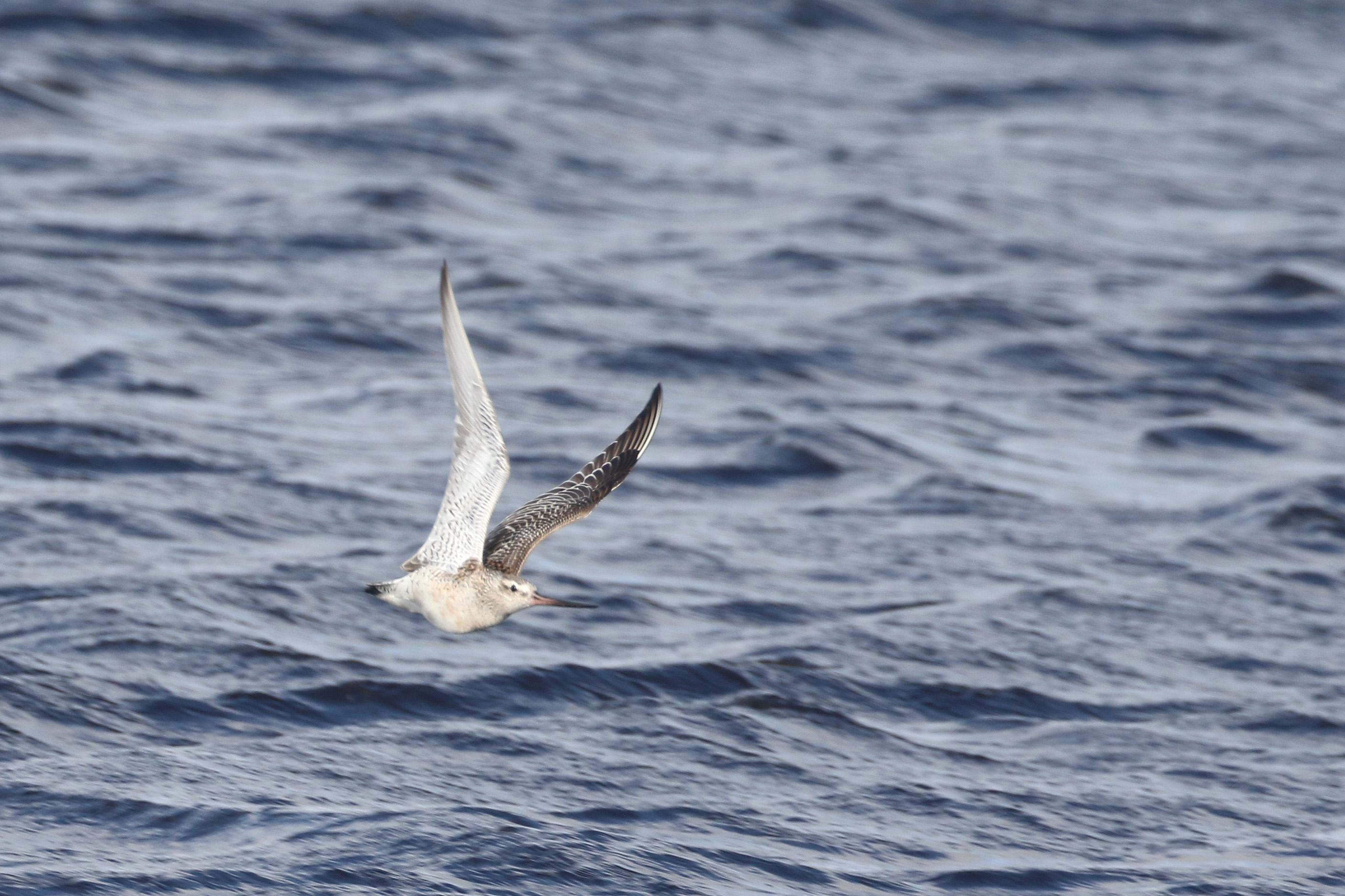
-Bar-tailed Godwit
-Arctic Tern

Ringstone Edge Reservoir

On the 24th, just over five minutes after the Bar-tailed Godwit flew through Whiteholme, another was reported on Ringstone. Since it was not a huge detour, and this bird seemed settled, I called in for a quick look. The extent of the white on the coverts from photos by John Marsh shows that this was a different individual from the bird at Whiteholme. 

-Bar-tailed Godwit

Species List:
Soil Hill: Canada Goose, Mallard, Grey Partridge, Common Pheasant, Red-legged Partridge, Feral Pigeon, Stock Dove, Common Wood Pigeon, Common Moorhen, Eurasian Oystercatcher, Northern Lapwing, Eurasian Curlew, Jack Snipe, Common Snipe, European Herring Gull, Lesser Black-backed Gull, Grey Heron, Eurasian Sparrowhawk, Common Buzzard, Common Kestrel, Peregrine Falcon, Eurasian Jay, Eurasian Magpie, Western Jackdaw, Rook, Carrion Crow, Coal Tit, Eurasian Blue Tit, Great Tit, Eurasian Skylark, Common Grasshopper Warbler, Sand Martin, Barn Swallow, Willow Warbler, Common Whitethroat, Eurasian Wren, Common Starling, Song Thrush, Common Blackbird, European Robin, Whinchat, Northern Wheatear, Dunnock, House Sparrow, Pied Wagtail, Meadow Pipit, Common Chaffinch, Eurasian Bullfinch, European Greenfinch, Common Linnet, Lesser Redpoll, European Goldfinch, Common Reed Bunting,
Whiteholme Reservoir: Greylag Goose, Canada Goose, Common Shelduck, Mallard, Eurasian Teal, Common Goldeneye, Goosander, Red Grouse, Common Pheasant, Eurasian Oystercatcher, European Golden Plover, Common Ringed Plover, Eurasian Curlew, Bar-tailed Godwit, Dunlin, Common Sandpiper, Lesser Black-backed Gull, Arctic Tern, Eurasian Jay, Carrion Crow, Northern Raven, Eurasian Skylark, Barn Swallow, Eurasian Wren, European Stonechat, Northern Wheatear, Pied Wagtail, Meadow Pipit, Common Reed Bunting,
Ringstone Edge: Canada Goose, Common Pheasant, Great Crested Grebe, Feral Pigeon, Common Wood Pigeon, Eurasian Oystercatcher, Northern Lapwing, Little Ringed Plover, Bar-tailed Godwit, Common Kestrel, Carrion Crow, Eurasian Skylark, Willow Warbler, Eurasian Wren, Pied Wagtail, Common Linnet, 

Thursday, 31 March 2022

Brazil; Vitoria

  We had to return the car we had hired in the evening, and we would then be taking the coach overnight to Sao Paulo, thus ending our travels in Brazil until I return at the end of the year. We did not need the car on this day, but it allowed us to do a few things in Vitoria.

  We spent the morning with a friend of Ed’s who lived in the city. He took us to a small feeding station he had set up, which had a few nice bits including a very confiding pair of Blonde-crested Woodpeckers and a nice pair of Straight-billed Woodcreepers. In the mangroves adjacent there was also a Yellow-crowned Night-Heron and a few Bicolored Conebill were whizzing around.

   He told us about a spot to try in the afternoon for Oystercatcher. Although this is obviously not a rare bird we did not have anything else to do, so after a visit to a turtle sanctuary after lunch, we headed there. And we had a lovely afternoon. Not only did we count 161 American Oystercatchers roosting together extremely close, but there was also a summer plumaged Spotted Sandpiper. And offshore there were a few Brown Booby, Cayenne Tern and impressive numbers of Green Sea Turtles, with at least five different individuals. It was an absolutely splendid way to round off our travels before we return to the big city.

-Yellow-crowned Night-Heron
-Creamy-bellied Thrush
-Blonde-crested Woodpecker
-Straight-billed Woodcreeper
-Spotted Sandpiper
-American Oystercatcher
-Green Sea Turtle

Species List:
Vitoria: Feral Pigeon, Picazuro Pigeon, Ruddy Ground Dove, Grey-cowled Wood Rail, American Oystercatcher, Semipalmated Plover, Spotted Sandpiper, Royal Tern, Cabot's Tern, Magnificent Frigatebird, Brown Booby, Snowy Egret, Little Blue Heron, Yellow-crowned Night Heron, Black Vulture, Turkey Vulture, Roadside Hawk, Blond-crested Woodpecker, Crested Caracara, Yellow-headed Caracara, Straight-billed Woodcreeper, Masked Water Tyrant, Great Kiskadee, Tropical Kingbird, Southern Rough-winged Swallow, Tropical Mockingbird, Pale-breasted Thrush, Creamy-bellied Thrush, House Sparrow, Purple-throated Euphonia, Red-cowled Cardinal, Sayaca Tanager, Palm Tanager, Blue Dacnis, Bicolored Conebill, Saffron Finch, Bananaquit, 

Wednesday, 30 March 2022

Brazil; Reserva Natural da Vale do Rio Doce - Day 2

Since we did not know the day we would be able to arrange access to the reserve, we decided to stay a couple of days in the area to ensure we would be able to visit the reserve. Since we visited on the first day we could, we had an additional day free. With access to the reserve difficult, we found a farm track through another area of forest nearby and decided to bird this instead.

The birding was nice, but unexceptional. The undoubted highlight was a Solitary Tinamou that we spotted creeping through the understory. We also spotted at least two Red-rumped Agoutis crossing the road, and a family party of Crested Capuchin, but otherwise there was nothing exceptional to report.

We spent the afternoon relaxing in the hotel room, recovering from the last weeks travelling.

-Ingram's Squirrel
-Porto Alegre Golden-eyed Tree Frog
-Crested Capuchin
-Red-rumped Agouti

Species List:
Reserva Natural da Vale do Rio Doce: Solitary Tinamou, Pale-vented Pigeon, White-tipped Dove, Squirrel Cuckoo, Minute Hermit, Black Vulture, Roadside Hawk, East Brazilian Pygmy Owl, Red-stained Woodpecker, Robust Woodpecker, Yellow-throated Woodpecker, Plain Parakeet, White-eared Parakeet, Sooretama Slaty Antshrike, Silvery-flanked Antwren, Rufous-margined Antwren, White-shouldered Fire-eye, Black-cheeked Gnateater, Lesser Woodcreeper, Streaked Xenops, Brown-winged Schiffornis, Black-capped Becard, Crested Becard, Eared Pygmy Tyrant, Yellow-olive Flatbill, Sibilant Sirystes, Greyish Mourner, Dusky-capped Flycatcher, Chivi Vireo, Thrush-like Wren, Tropical Parula, Flame-crested Tanager, Turquoise Tanager, Blue Dacnis, Rufous-headed Tanager, Chestnut-vented Conebill, 

Tuesday, 29 March 2022

Brazil; Reserva Natural da Vale do Rio Doce - Day 1

We had made the short addition of Espírito Santo to our itinerary to visit one very well-known reserve with a number of target species; VALE! And today was the day that we made the visit. Although in an ideal world we would have enjoyed a few days here, the cost of the necessary guide and the fact that the reserve lodging itself was shut, meant that it did not make sense economically to spent more than a single day here. The guide we hired was a young lad called Gabriel, and he was truly excellent. Thanks to a successful visit to Veracel in the days previous, there were only a few species for us to target, and he managed to show us almost all of them.

The key species for the reserve is the Red-billed Currasow. A large turkey-sized bird that is only found in two reserves, of which only here is accessible. Although Gabriel warned us ahead of time that they can be tricky at this time of year, we found two males walking around the entrance gate within a few minutes of arriving. We later found three more males in the forest, which make these the first Currasows I have seen that seemed to actually behave like wild birds. They were brilliant.

The entrance to the reserve is also where we found the reserves rare parrot species. Although we had seen all of them before, we wanted to see them again to get better views. And we managed to do that with Red-browed and Mealy Amazon Parrot showing very nicely, as well as a sizeable flock of Ochre-marked Parakeets. But perhaps the standout was a medium-sized flock of White-cheeked Parakeets, which came extremely close and showed unbelievably well.

In the forest we spent the day hunting down various targets. First Gabriel found us ‘Atlantic Black-bellied’ Ringed Woodpecker, a subspecies endemic to the Atlantic Forest in Brazil, and an absolute stunner to boot. We then travelled deep into the forest, along the way encountering my first wild Peccaries, as well as some South American Coatis. Deep in the forest, we found all the remaining birds; Collared Trogon, Cocoa Thrush and Cinereous Mourner, the latter being my 800th species in Brazil. On the way back we found a stunning Tortoise drinking from a roadside pool but failed to find the roosting Great Potoo that Gabriel told us was sometimes around. Other nice birds we saw during the day included a typically elusive Ruddy Quail-Dove, Minute Hermit, Greyish Elaenia and Buff-throated Woodcreeper.

And then, to wrap things up, we found a feeding group of the very rare Crested Capuchin monkeys. Bringing to close a truly excellent days birding. Even despite the costs, I would be tempted to return during the breeding season to get a full flavour of this excellent reserve.

-Red-billed Curassow
-Red-browed Amazon
-White-eared Parakeet
-Ringed Woodpecker
-Cinereous Mourner
-Cocoa Thrush
-Collared Trogon
-White-lipped Peccary
-Brazilian Giant Tortoise

Species List:
Reserva Natural da Vale do Rio Doce: Red-billed Curassow, Picazuro Pigeon, Ruddy Ground Dove, Scaled Dove, Ruddy Quail-Dove, Greater Ani, Squirrel Cuckoo, Sick's Swift, Grey-rumped Swift, Minute Hermit, King Vulture, Black Vulture, Grey-headed Kite, Roadside Hawk, East Brazilian Pygmy Owl, Green-backed Trogon, Collared Trogon, Swallow-winged Puffbird, Channel-billed Toucan, White-barred Piculet, Red-stained Woodpecker, Robust Woodpecker, Ringed Woodpecker, Blond-crested Woodpecker, Yellow-throated Woodpecker, Collared Forest Falcon, Crested Caracara, Plain Parakeet, Red-browed Amazon, Southern Mealy Amazon, Orange-winged Amazon, Ochre-marked Parakeet, White-eared Parakeet, Sooretama Slaty Antshrike, Silvery-flanked Antwren, Rufous-margined Antwren, Black-cheeked Gnateater, Rufous-capped Antthrush, Plain-winged Woodcreeper, Lesser Woodcreeper, Buff-throated Woodcreeper, Plain Xenops, Streaked Xenops, Red-headed Manakin, Black-headed Berryeater, Screaming Piha, Brown-winged Schiffornis, Cinereous Mourner, Black-capped Becard, Crested Becard, Sepia-capped Flycatcher, Eared Pygmy Tyrant, Yellow-olive Flatbill, Grey-crowned Flatbill, Southern Beardless Tyrannulet, Grey Elaenia, Masked Water Tyrant, Bright-rumped Attila, Sibilant Sirystes, Greyish Mourner, Dusky-capped Flycatcher, Great Kiskadee, Boat-billed Flycatcher, Social Flycatcher, Piratic Flycatcher, Variegated Flycatcher, Tropical Kingbird, Chivi Vireo, Southern Rough-winged Swallow, House Wren, Thrush-like Wren, Cocoa Thrush, Purple-throated Euphonia, Violaceous Euphonia, Red-rumped Cacique, Tropical Parula, Red-crowned Ant Tanager, Yellow-green Grosbeak, Flame-crested Tanager, Turquoise Tanager, Swallow Tanager, Blue Dacnis, Red-legged Honeycreeper, Yellow-backed Tanager, Chestnut-vented Conebill, Saffron Finch, Blue-black Grassquit, Double-collared Seedeater, Bananaquit,