Showing posts with label Shearwater-Balearic. Show all posts

Sunday, 2 October 2016

Spurn Week 15

Spurn 26.09.2016
Absolutely no birding at all at Spurn today, as the entire day was spent on a trip to Scotland to see Brünnich’s Guillemot! What a bird that was!

Spurn 27.09.2016
After the long drive and stress mixed with elation yesterday, we were hardly busting a gut to get up this morning. Sadly this did cost us as a Richards pipit flew south as we were checking canal scrape. Once we arrived at Numpties there were still a few birds going south, a handful of Meadow Pipits and a couple of ducks on the sea.
Once it had dried up, which did not take long, we headed back to the Obs and continued our work on the garden. In the afternoon I headed off to Kilnsea wetlands to count the ducks and any waders. 119 Wigeon were the best of it, but sadly there were very few waders. A single Curlew Sandpiper came on and that was very nice but only a handful of Dunlin, a couple of Knot and Ruff and that was basically that. The roost reflected the level of the tide, which was very low.
-Curlew Sandpiper


Species List:
 Triangle: Common Scoter, Teal, Eider, Tufted Duck, Mallard, Moorhen, Little Grebe, Whinchat, Meadow Pipit, Linnet, House Sparrow, Dunnock, Carrion Crow, Little Egret, Dunlin, Arctic Skua, Common Gull, Cormorant, Brent Goose,
Kilnsea Wetlands: Teal, Wigeon, Shoveler, Pintail, Mallard, Mute Swan, Knot, Dunlin, Ruff, Redshank, Greenshank, Bar-tailed Godwit, Woodpigeon, Golden Plover, Grey Plover, Ringed Plover, Little Egret, Meadow Pipit, Carrion Crow,

Spurn 28.09.2016
The ongoing south-westerlies continued to bring good passage this morning. Over 2000 Meadow Pipits was by far the biggest count, but a number of Finches, Buntings and Wagtails were also on the move. The most unusual bird was a Great-spotted Woodpecker which went south high north, obviously saw the peninsula, didn’t like what it could see and decided to turn around and go back north. A more unusual vis-mig species…
The benefits of being at numpties means you can also watch the sea, and from there I got a Spurn tick, probably easiest to get Spurn tick. It was a Scaup Its also only the second time I have ever seen this species, although the circumstances are substantially different from last time. This time it was a female flying at sea with a flock of Common Scoter. The bird was distant but it was easy to tell what it was. A great addition to the yearlist and Spurn list!

Species List:
Triangle: Common Snipe, Cormorant, Gannet, Scaup, Common Scoter, Greylag Goose, Pink-footed Goose, Mallard, Moorhen, Little Grebe, Dunlin, Ringed Plover, Grey Plover, Golden Plover, Kestrel, Jackdaw, Magpie, Carrion Crow, Starling, Feral Pigeon, Woodpigeon, Swallow, House Martin, Sand Martin, Skylark, Peregrine, Marsh Harrier, Meadow Pipit, Linnet, Reed Bunting, Great Tit, Great-spotted Woodpecker, Goldfinch, Greenfinch, Chaffinch, Lesser Whitethroat, Blackcap, Common Gull, Black-headed Gull, Great Black-backed Gull, Redshank, Curlew, Herring Gull, Blue Tit, Sparrowhawk,

Spurn 29.09.2016
I first went up to Kilnsea Wetlands in the morning in the hope of counting the Wigeon present. There had been good numbers of Pink-footed Geese going south and I was no surprised to find a flock of 60 on the Wetlands itself. There remained 131 Wigeon plus other duck species, and a Kingfisher flew through, which was a fantastic sight.
Next I cycled down to numpties where I was treated to a satisfying Vis-mig featuring more of the same species as previous days, but with a few Pink-footed Geese thrown in for good measure. The undoubted highlight came after I had just left numpties and was walking back along the road. A radio shoutout for Osprey came over the radio, coming south directly towards me. I picked it up with time to judge everything for when it came straight over my head, which it did. It gave some fantastic views and I managed to get some decent photos, only I had accidently altered the settings leaving me with some unwanted artistic wing-blur…
-Osprey
In the afternoon I went with Andy Roadhouse to deliver reports around Flamborough and Filey. We tried to twitch a bean goose but failed to connect but it was nice afternoon out, and we avoided missing anything at Spurn whilst saving the obs money on postage.

Species List:
Kilnsea Wetlands: Wigeon, Teal, Pintail, Mallard, Mute Swan, Pink-footed Goose, Golden Plover, Curlew, Redshank, Dunlin, Knot, Grey Plover, Greenshank, Ruff, Kingfisher, Woodpigeon, Meadow Pipit, Pied Wagtail, Starling, Lapwing,
Triangle: Chiffchaff, Long-tailed Tit, Starling, Blue Tit, Great Tit, Cormorant, Pink-footed Goose, Little Grebe, Moorhen, Mallard, Common Snipe, Dunlin, Ringed Plover, Grey Plover, Golden Plover, Curlew, Meadow Pipit, Skylark, Yellow Wagtail, Pied Wagtail, Grey Wagtail, Greenfinch, Chaffinch, Linnet, House Sparrow, Tree Sparrow,

Spurn 01.10.2016
With so many birders on site today I decided it might be worth trying somewhere different, and by different I meant not numpties. I ended up at Beacon Ponds, as the birds on  Wetlands had all been flushed there. The high tide roost was good, with over 1000 Dunlin and 500 Redshank, plus a Little Stint and a Curlew Sandpiper. On the duck front I had over 200 Wigeon for the first time this autumn and 16 Brent Geese. All good stuff.
Next I headed down to numpties but passage had largely dried up by then, only a handful of Tree Sparrows and Grey Wagtails. I decided to head off up to a new area around Easington and see what was around there. I did not see much, but missed another Richards pipit. As I was cycling back to the triangle in a futile attempt to catch up with it a radio message came out that a Crane was flying over Easington. I immediately stopped, found a place to set up and began scanning. It did not take long to pick up the Crane. Although distant there was no denying the identity of the bird, a smashing bird to add to my Spurn list. Sadly it kept on going through west and it was soon too far away. An unexpected bird for the day…
In the afternoon the wind finally changed from south-westerly into Northerly. Almost immediately the birds on the sea started to pick up so I headed down that way for possibly the best Seawatching session I have had all year. Highlights were a self-found Sabines Gull and Great-Northern Diver, the latter being a Spurn tick, and a fully Spooned adult Pomarine Skua. All cracking birds to add to the steady trickle of Sooty and Manx Shearwater, Arctic Skuas and Red-throated Divers. A fine end to the day!

Species List:
Beacon Ponds: Little Stint, Curlew Sandpiper, Dunlin, Redshank, Greenshank, Grey Plover, Golden Plover, Grey Heron, Cormorant, Brent Goose, Wigeon, Mallard, Teal, Ringed Plover, Black-headed Gull, Little Egret, Curlew, Knot, Linnet, Reed Bunting, Turnstone, Lapwing, Little Grebe,
Triangle: Robin, Dunnock, Tree Sparrow, Grey Wagtail, Pied Wagtail, Great Tit, Blue Tit, Black-headed Gull, Long-tailed Tit, Arctic Skua, Greylag Goose, Pink-footed Goose, Mallard, Goldfinch, Linnet, Reed Bunting,
Seawatching: Arctic Skua, Pomarine Skua, Great Skua, Little Gull, Sabines Gull, Kittiwake, Red-throated Diver, Great-northern Diver, Manx Shearwater, Sooty Shearwater, Grey Plover, Dunlin, Knot, Gannet, Great Black-backed Gull, Common Gull, Black-headed Gull,

Spurn 02.10.2016
Given the potential of the northerly winds that blew all night I arose early and headed down Seawatching in the hope of a petrel. Sadly, despite spending about 8 hours in Seawatching throughout the day I failed to get one. That being said, the Seawatching was exceptional until midday when it all but dried up.
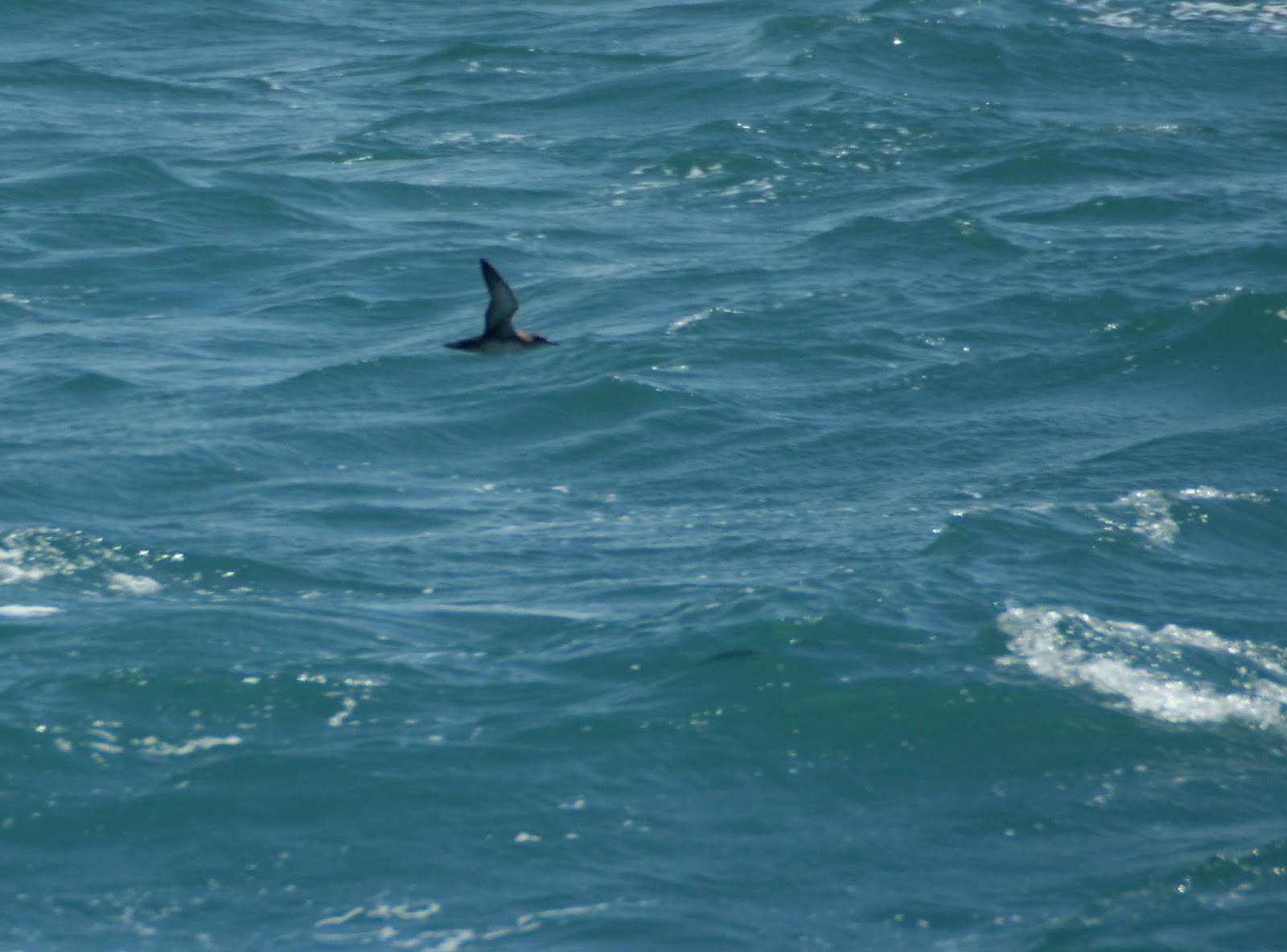
The highlight was 128 Sooty Shearwaters all going north, some of them coming very close in shore and looking fantastic in great light. A Balearic Shearwater flew south too, which was a fine addition to the yearlist, my first since last year’s birds on Portland. Sadly though it was very distant, and there was some contention as to its identity, although from what I saw of it, there was no doubt and it was accepted as Balearic. An adult Pomarine Skua with full spoons also flew south, but sadly more distant than yesterdays, plus two Great Northern Divers, one of which was very close. Also a distant Long-tailed Skua went past, but it was hardly a highlight.
Away from the sea I only had a couple of hours, but in that time I managed to connect with 3 Yellow-browed Warblers of the small fall that occurred during the afternoon. I also managed to see some of the Redwings and Bramblings that had come in on this first wave of birds. Remarkably, Brambling was a Spurn tick, although possibly the easiest species that I still needed…

Species List:
Seawatching: Manx Shearwater, Sooty Shearwater, Balearic Shearwater, Fulmar, Puffin, Razorbill, Guillemot, Gannet, Common Scoter, Teal, Wigeon, Arctic Skua, Pomarine Skua, Long-tailed Skua, Great Skua, Mute Swan, Red-throated Diver, Great-northern Diver, Kittiwake, Black-headed Gull, Common Gull, Herring Gull, Great Black-backed Gull, Oystercatcher, Grey Plover, Dunlin, Knot, Redwing, Meadow Pipit,

Triangle: Brambling, Redwing, Yellow-browed Warbler, Chiffchaff, Song Thrush, Brent Goose, Pink-footed Goose, Mallard, Kestrel, Goldcrest, Sparrowhawk, Meadow Pipit, Grey Wagtail, Black-headed Gull, Grey Plover, Redshank, Dunlin, Knot, Golden Plover, Woodpigeon, Carrion Crow, Magpie,

Sunday, 19 July 2015

Dorset Holiday Day 8

Day 8! Seems not so long since it started and yet here we are. Quick check round the moths this morning did not provide anything different from the previous mornings, though there remained some nice moths, such as Dark Arches and a few Footman species.
I decided to go to the Bill today and do the Seawatching that I did not do yesterday. Trains were a bit more suitable and the bus was all plain sailing, though it as a tourist service so did take a while to reach the bill. That being said it was very interesting to hear about the history of Portland. Apparently to say ‘rabbit’ or ‘bunnies’ to a Portlander on a Friday is a big insult, after rabbits once buried into a quarry, causing a landslide which killed a number of quarrymen.
Once at the bill I immediately set up Seawatching, and did not have to wait long before I had my first Balearic Shearwater of the day, 3, which descended onto the sea only for me to lose them in the waves. However, I was pleased to have got the watch off to a good start.
Birds were thin on the ground again, but there were a few Gannets and Guillemots moving about, some quite close in. There were also the usual Shags and Cormorants blogging about. Three flocks of Common Scoter also flew past, maybe about 25 birds in total. Sadly they were distant but good views could be had through the scope.
-Shag
After an hour I decided to have a walk round the field looking for butterflies. There were no new species, but there were a few Lulworth Skippers present. I had intended to head home after this but my parents called and said they were coming down. As a result I stuck around and headed back Seawatching.
Good thing I did too. After it had slowed down initially, the birds started to pick up again. In the next two hours I was treated to at least 2 Balearic Shearwaters going past. Initially middle distance but occasionally less than 20 meters away from shore, to give you an idea of the fantastic views I was getting. After a bit, two settled down on the sea mid distance, and I was able to watch them blog about. There was even one following a fishing vessel with the gulls. They were awesome. I tried to get some photos but it’s hard to keep the camera in focus when the target is always moving, so they did not come out as well as I had hoped.
-Balearic Shearwater
Besides the Balearics there were a few other goodies. I had just 2 waders; a Ringed Plover, which came from the left, then banked and returned back that way, and a Turnstone which did the same. And a final treat just as I was wrapping up, was a flock of 11 Manx Shearwater which were more distant, giving an ideal contrast to the Balearics. Manx Shearwater was also a yeartick, number 207 for the year. 
-Manx Shearwater
After an outstanding Seawatching session I headed to the butterfly reserve again, but numbers were down on yesterday. Highlights were a solitary Small Blue, a few Chalkhill Blue on the coast and a few more Lulworth Skippers in between. Also a Common Lizard on one of the walls was a nice addition to the day list.
-Lulworth Skipper
-Common Lizard
I think its fair to say I made the right call in going back to Portland to do some Seawatching. It was good fun, and meant I was able to add Balearic Shearwater to the list of species that I have photographed.

Species List:
Portland: Gannet, Guillemot, Shag, Herring Gull, Balearic Shearwater, Black-Headed Gull, Common Scoter, Starling, Kestrel, Skylark, Great Black-Backed Gull, Ringed Plover, House Sparrow, Cormorant, Turnstone, Manx Shearwater, Raven, Linnet, Woodpigeon, Feral Pigeon, Common Lizard, Emperor Dragonfly, Meadow Brown, Small Heath, Gatekeeper, Ringlet, Marbled White, Small Blue, Common Blue, Chalkhill Blue, Large White, Small Tortoiseshell ,Painted Lady, Small Skipper, Large Skipper, Lulworth Skipper,

Tuesday, 14 July 2015

Dorset Holiday Day 3

I aimed to keep up with my early starts for the duration of the holiday, so set my alarm for 5.30 in the morning with the aim of doing the moths on the toilet block followed by a visit to nearby Winfrith Heath, which has become something of a local patch for the holiday.
I did the quick moth round, but there was nothing really any different. Most of yesterday’s moths were still in the same location as they had been, and the number of new moths was low. The only real addition to the moth fauna of the holiday was a Dark Arches that was on the toilet block where the hawkmoth had been the day before.
Next I cycled on to the heath. It was a muggy morning but as the morning drew on the sun decided to make its first appearance of the holiday, and by the time I was heading back for breakfast it was a very pleasant and warm day.
This was reflected in the fact that a number of insect species were on the wing, despite the early time of day. I finally got my Odonata list out of the hangar with a good number of Banded Demoiselles that were associating with the bracken alongside the river. I was able to add to that a nice female Keeled Skimmer and brief views of a Golden-Ringed Dragonfly. 
-Banded Demoiselle
-Keeled Skimmer
-Painted Lady
 Despite the weather picking up, there were no reptiles on any of the open areas of ground, nor were there any on the corrugated iron sheets that had been put down. Fortunately the birds more than made up for this, as I got a bumper haul of species from the morning.
I got a few Siskins in flight from the nearby pine trees, and a Tree Pipit chilling on a small conifer in the middle of the heathland. The real stars of the day were the Dartford Warblers. I am accustom to seeing these birds flit in and around the gorse, so I felt my luck was in when I encountered 2 juveniles flitting along the fence line adjacent to the railway. I was pretty thrilled about that, but it got even better when I wandered round the main hillock on the heath, as round the far side there was a superb adult which was sitting out in the open only around 6 feet away. I got a few nice photos of the exceptional view I got of it. It was calling similar to a Whitethroat when in distress, so I decided that it was probably best to leave it, just in case it was upset. And then, on the bird front, if it could not get any better, I had a flock of around 7 flyover Crossbills, which was an unexpected bonus.
-Dartford Warbler
I arrived back at the caravan site for around 8.30 ready for breakfast and a full day out in what appeared to be the first nice day of the holiday. The consensus was that my family were heading to Portland Bill for a walk, so I decided to go down with them and have a look round the site which I had not looked at before.
We arrived at the Bill for around 10.30, upon which my family decided to go for a morning drink at the café. As a committed birdwatcher I decided to do my first independent Seawatching from the Bill, in the hope of getting a Balearic Shearwater and a few other coastal species.
I probably spent an hour watching the birds off the Bill. There were not masses of birds moving but there was decent quality. I felt I was tested but managed to do it reasonably well, and it was my first outing with the new scope in Seawatching.
There were a few Guillemots moving, blogging to and fro as well as plenty of Gannets of a number of different ages. The first real nice birds for the watch were 2 Pale phase and a Dark phase Arctic Skua that flew through relatively close in, and I got really nice views through the scope. They were a yeartick and my second yeartick was Shag, with a few of them in the area flying to and fro. At 11.10 I was treated to my target bird, when a mid-distance Balearic Shearwater flew past. It was banking in and out of the waves at it moved past but I was able to pick up the key features as it whizzed on by. Unknown to me at this point but there had been one ‘lingering’ all morning before, but to see it for myself was pretty special and I was chuffed to bits with that. I also had a Mediterranean Gull and 4 Common Scoter fly past. So overall it was an exceptional session. Also of note were 3 Rock Pipits that were blogging around the shore below me, a nice holiday tick. 
-Rock Pipit
At this point my family returned, explaining that they intended to go for a walk along the cliff up to a nearby cove for lunch. Since movement was slow and I had most of what I wanted I decided to go with them. The wind was still quite strong so there were not many insects on the wing along the coast. However there were a few more birds that were not seabirds around. The highlight of these was a pair of Raven feeding in a field, but there was also a very confiding Kestrel, perched on a fencepost just over 9 feet away.
-Kestrel
-Raven
As we walked along the coast we began to dip in and out of old limestone quarries where it was more sheltered. Here there were a few more butterflies on the wing, which finally meant my holiday butterfly list was getting somewhere. My dad pointed out a Marbled White, but soon these were everywhere, while there remained good numbers of Meadow Brown and Gatekeeper.
It started to get exciting when I spotted a Skipper roosting on the path. Sadly I had the wrong lens on and my attempts to get a photo were poor, but I head a sneaking suspicion that it might be a Lulworth Skipper, a Dorset specialty. Before I managed any decent record shots it took flight and I lost it, but I remained optimistic that the photos might show it was, when compared to a guide book back at the caravan.
I need not have worried, as further along the coast I found another skipper which was far more obliging, allowing me good views of all the features I needed, leaving me in little doubt that I had found a Lulworth Skipper. All doubts were finally laid to rest when I compared this individual to the book back home, showing beyond all doubt that I had my first butterfly lifer of the year. I had a strong feeling when I initially saw it that this was a Lulworth and so had taken plenty of photos for the record, but the initial shots also showed that the first skipper had been a Lulworth too. Both were females. What a super little thing.
-Lulworth Skipper
Buzzing from that I continued along my way. By now my parents had long gone due to my constantly being distracted. My brother came back though, saying he had found a lizard, so we headed up that way to see a stunning Common Lizard sunning itself under the wall alongside the road. I grabbed a few photos of this one, but it was the first of many along the coast route, though many were only fleeting glimpses. 
-Common Lizard
Butterfly numbers had picked up through the walk, and I was beginning to build up a decent species list. There were a few Lulworth Skippers around, as well as Small and Large Skippers to offer comparisons. A few blue butterflies also appeared, initially only Common but soon a few Chalk-Hill too, which are always a delight to see. The real bonus butterfly was a Grayling which I accidentally flushed, but was able to follow back to its landing point on the path to grab some photos. It’s an England tick for me, having only seen them previously in Scotland, and then a long time ago. Overall I was thrilled and it could not get much better.
-Grayling
-Chalk-hill Blue
Or that’s what I thought until after lunch when me and my brother began looking again. We had a while to wait while my dad fetched the car, so we had a look at the grassland on the Northern side of the cove in which we had eaten lunch in the hope of maybe finding an Adonis blue, the only other potential butterfly lifer. Sadly not, but I did get a superb alternative. 
I was just strolling through the grassland, my brother along the cliff-top when I spotted a large Yellow Butterfly flying over the shrubs. I had seen this only one time before but I knew immediately what it was; Clouded Yellow. I immediately began shouting and calling as I could not believe what I was seeing. We were able to follow its movement along the cliff as it rested on a number of flowers. Sadly it never rested wings open, which was disappointing, but I managed some nice shots of it perched up wings closed. If there was anything that could have been added to the day I had already had, this would have been. What a superb insect.
-Clouded Yellow
It had been thrilling to see that, and that’s an understatement. What an insect filled day. And it was not just the butterflies, as I was able to finally, finally see a live Cockchaffer beetle. My brother found it crawling on the floor, but it did not stick around long before flying off. There were not only Cockchaffer but also their green cousins in the form of Rose Chaffers, which were sitting in their usual position atop a large white flower.
-Cockchafer
-Rose Chafer
After that we had a quick look at Chesil Beach, but the weather had started to set in and there was nothing of any real note there. We ended the day back at the Caravan, where we stumbled across a Common Shrew that had come into the Awning. I managed to get it out when it ran into a food crate, but it was full of energy, as Shrews are. A final note is that out evening meal was interrupted rudely by a massive House Spider. What a superb day.

Species List:
Winfrith Heath: Linnet, Blackbird, Robin, Rook, Carrion Crow, Woodpigeon, Tree Pipit, Chaffinch, Stonechat, Magpie, Cormorant, Siskin, Swift, Dartford Warbler, Great Tit, Willow Warbler, Crossbill, Skylark, Keeled Skimmer, Golden-Ringed Dragonfly, Banded Demoiselle, Meadow Brown, Gatekeeper, Painted Lady, Large Skipper,
Portland Bill: Guillemot, Gannet, Arctic Skua, Shag, Herring Gull, Rock Pipit, Balearic Shearwater, Great Black-Backed Gull, Mediterranean Gull, Cormorant, Common Scoter, Linnet, House Sparrow, Jackdaw, Starling, Kestrel, Oystercatcher, Woodpigeon, Black-Headed Gull, Skylark, Lesser Black-Backed Gull, Pied Wagtail, Raven, Swallow, Common Buzzard, Common Lizard, Common Blue, Chalk-Hill Blue, Small Skipper, Large Skipper, Lulworth Skipper, Small Tortoiseshell, Marbled White, Meadow Brown, Gatekeeper, Ringlet, Speckled Wood, Small Heath, Grayling, Large White, Clouded Yellow, 

Tuesday, 19 August 2014

Spurn Day 41 - DOUBLE LIFER ALERT

As you have read indeed, today was a double lifer day. Since I no longer had to go up to the ponds I allowed myself a lie in, the first one I have had since I arrived. However it was still short as I wanted to make my way up to the Seawatching hide in order to ensure I did not miss any potential lifer seabirds going down.
Fortunately it had been a quiet morning, though I was left gripped by red-throated diver, which would have been a year tick. I settled down to watch to see if any late birds would come, but it remained quiet. At around 9.00 Mick called out that he had spotted a large raptor, and he worked it out as an Osprey moving over the sea. To be honest it was too far for me to do anything with, but I took their word for it and added Osprey to my day list.
At around 9.15 the first of the day’s lifers passed through. I was scanning along and spotted a cormorant flying north, but continued to scan. Not 2 seconds later Steve called out that he might have a great-northern diver, which I knew immediately would be the same bird. Indeed it was. As the other guys got onto it they decided it was not bulky enough for a great northern diver, and its feet extension was not right, therefore it must be a Black-Throated Diver. I had hoped my first Black-Throat would be a bit more than a silhouette moving along the horizon. It was clear to see it was a diver, and with the points they had made I was willing to agree with them on that front and add it to my list, though I can only wish the view had been better so I could properly appreciate it.
Obviously pleased with another lifer I headed out into the morning to have a look round prior to my moving to the ponds to remove the fence. I headed up to canal scrape but was informed that there were no birds there, so decided to have a look in the bushes along the road along the triangle walk. Not far up the road from canal scrape and I spotted a Whinchat, sat along the fence post at the back. I got a few photos, but it was too far really, and it was nice to just watch it.
-Whinchat
Carrying on along the road there were ample Willow Warbler, bushes aplenty with them. Some I was able to get really good views of, as they flitted around the undergrowth. Along the top road I found a couple of Lesser Whitethroat too, calling to each other from the bushes, but as usual I was reduced to fleeting glimpses. I tried my best to get some photos but it was not happening, the birds were showing too irregularly for me to get any.
Down Canalside it was much quieter, though I could see the waders out on the Humber, including vast numbers of Bar-Tailed Godwit and Knot, along with Dunlin, Redshank and Ringed Plover. When they all took off it was spectacular to see.
-Bar-Tailed Godwit and Redshank
The afternoon was spent removing the fence and so I could not really watch the birds, though I did have a check on the Little Tern chicks and saw the youngster flutter off when I approached the area, not convincingly I must admit. The Oystercatcher family also put in an appearance, looking really grown up, though the chicks still have the distinctive dark patches at the ends of their beaks.
The evenings seawatch promised much but was very quiet on the whole. There were good numbers of Manx Shearwaters out to sea and 1740 Common Terns, which is low compared to some of the totals we have had. Numbers of all the birds were down really, save for 1.
Paul had some ringing guys up at spurn for the last few days, and they joined in for the early part of the watch. At around 7.00 an Australian guy suddenly called out, ‘whats this close, is it a sooty or a Balearic?’. All jumped up to check but it turned into a nightmare to find, especially given it was mid distance. It was quickly announced as a Balearic, and fortunately I was one of those lucky enough to find it, and watch it was it glided north. Because it was so close I made the fatal error of trying to photograph it, try and break the horrid lack of photos from lifers that has emerged over the last few days. As a result I did not watch it as much as I would have liked, but I did see enough of it, including the duskier belly and otherwise Manx like Jizz. The view was good when it banked up and I could see the lack of white on the underside. I have to say that of the 3 species ticked a spurn Seawatching, this is the only one I feel I could confidently do again, but that is probably as a result of the good view we got.
Spurn only get a few Balearic every year, so to be there for this one was special, and of course it’s another great lifer to add to my growing list. It’s a pity with Seawatching that the birds move through so fast, but either way I was thrilled.

Species List:
Seawatch: Gannet, Arctic Skua, Feral Pigeon, Oystercatcher, Swallow, Common Scoter, Black-Headed Gull, Ringed Plover, Cormorant, Linnet, Woodpigeon, Osprey, Black-Throated Diver, Sandwich Tern,
Triangle: Bar-Tailed Godwit, Knot, Redshank, Dunlin, Little Egret, Turnstone, Ringed Plover, Whinchat, Willow Warbler, House Sparrow, Wren, Linnet, Starling, Blackbird, Lesser Whitethroat, Common Whitethroat, Woodpigeon,

Seawatch: Fulmar, Gannet, Common Tern, Mediterranean Gull, Common Scoter, Manx Shearwater, Balearic Shearwater, Arctic Skua, Common Gull, Swallow, Oystercatcher,